
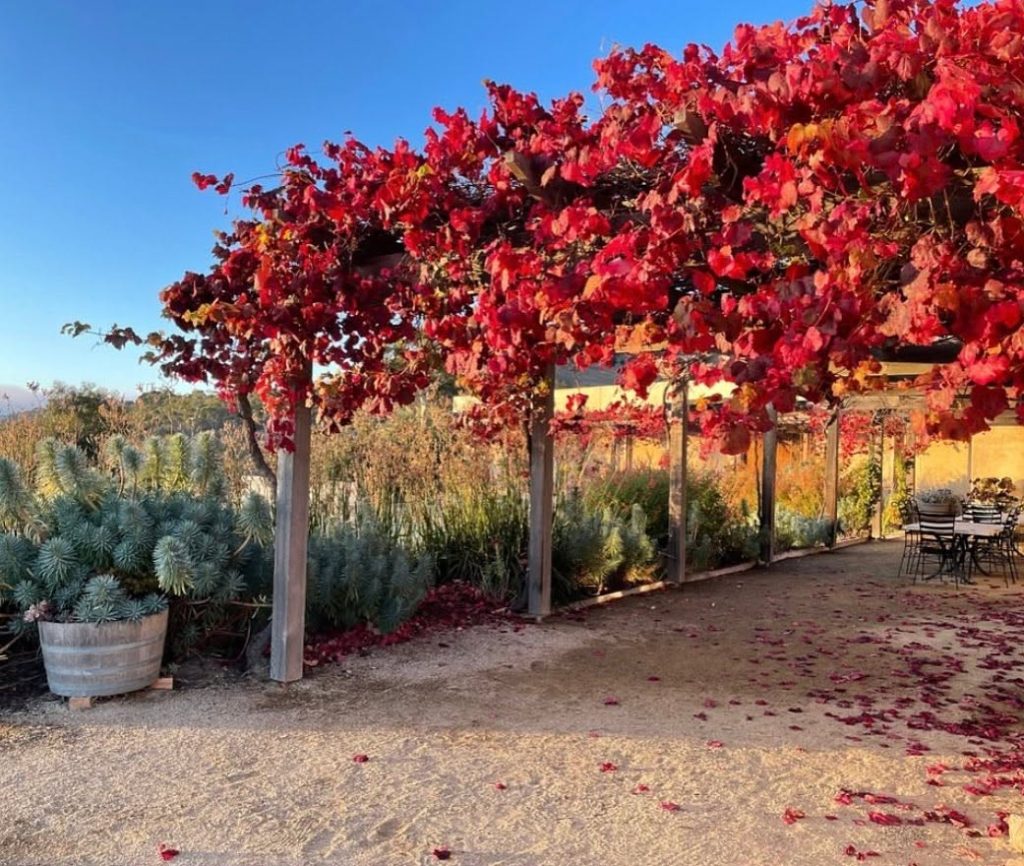
“Age appears best in four things: old wood to burn, old wine to drink, old friends to trust and old authors to read.” – Francis Bacon
The only thing more challenging than making a decision is sticking to that decision. In the wine world, this is possibly the true trick of the trade, especially if you want to produce organic wine. Sure, you must be able to reason to the point of foresight, and you must be able to adjust plans as obstacles arise. However, there is a certain idea or theme that forms part of the conceptualization before funding. This element, which is there from the start, is usually the true inspiration.
To illustrate this better, it seems right to reference the biodynamic farming initiative at Stefano Lubiana Wines. Steve Lubiana, a fifth-generation winemaker, and his wife, Monique, established SLW in Tasmania in 1990. But that is not where it started. One night in 1987, Steve watched a TV program about Alex Podolinsky, a biodynamic farmer in Victoria, Australia.
For those not in the know, biodynamic farming is very similar to organic farming. At first glance, it looks like a simple farming system that brings you back to how farming was done hundreds, if not thousands, of years ago when farmers could not rely on synthetic chemicals, control weeds, or fertilise their soils. It is a holistic, ecological, and ethical approach to farming that views the farm or vineyard as one solid organism. This method of farming originated in the 1920’s, and, done properly, this could be a time-consuming process to implement.
“I was completely sold on the idea,” admits Steve, looking back at the early decision-making days. “It just made sense. The gentle, holistic manner of growing plants appealed to me.”
It was decided. They would endeavour to establish their dream vineyard, and it would be a wholly biodynamic enterprise. Though the decision seemed so easy, the implementation thereof was challenging. From location scouting to farming to building, every aspect would have to be re-examined in order to stay in line with their goals.
They began looking for a spot in Tasmania around 1988. They wanted a piece of land that had the best soil type for the climate. It also had to be favourable to classic Burgundian varieties, like Pinot Noir and Chardonnay. Travelling around, they found quite vigorous vines in the region when, in fact, they were after a low vigour soil type.
Steve explains, “In a cool climate, excessive vigour can result in green wines with a lack of phenological maturity.”
So, after more than a year of shopping, they found a piece of land around the picturesque foothills of the Derwent River estuary that ticked all the boxes. North-facing to trap more heat, with a gentle slope for cold air drainage and even more heat. It was a frost-free site, having poor gravelly soils. There was a variation of soil types to suit different varieties, and the availability of water for irrigation. It was perfect!
At the time, the land was operating as a market garden, growing potatoes, silver beet, and lots of cauliflower. It was bare, apart from the few blocks of green veggies. No house, sheds or any other structures that could be utilised. It took them ten years to develop the site fully, which now has two houses, vineyard sheds, a winery restaurant complex, and 25 Ha of vines.
As for the biodynamic aspirations, they were able to stick to this every step of the way. When they started their biodynamic conversion of the vineyards, they had already been using compost for many years, so they eliminated synthetic foliar sprays.
“The most challenging part was weed control. This necessitated buying an inter-row weeding machine that dodges around the trunks and cuts the weeds’ roots. It works relatively well, but we still need to tidy up with the hand hoe on most blocks. This keeps us connected with the soil.”
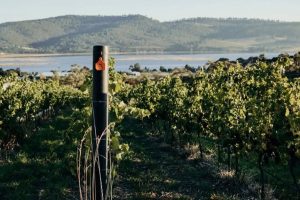
And the grapes? Well, all the vines have responded well to the conversion to biodynamics, and they are only getting better year on year. The vines are becoming stronger and healthier. They withstand fluctuations in temperature and moisture far better, which is a result of thicker leaves and deeper root systems. This has translated into richer, more complex wines, with greater depth and expression of terroir. They seem to be more harmonious and elegant, but with underlying power, while ageing more gracefully.
The 2017 Pinot Gris, with its rose gold colour and layered, intricate palate, is a great example of how the different profiles have matured at SLW. Even the palate depth and structure of the Pinot Noir confirm the influence of their decision to harvest organically. Add to this a list of awards, as well as being awarded the International Wine Challenge Biodynamic Trophy for the third consecutive year, and you know the hard work has paid off.
While boasting further statistics like 700 cubic metres of compost made for the year and 85 hands used to pick grapes, they also opened an Osteria eatery, which is dependent on what is in season and available in their biodynamic vegetable garden.
It is evident that they set their minds to an older way of farming and never strayed from that ideal. In doing so, something about their presentation has an aged, comforting quality, which lends itself to the wine drinker’s joys.
This article first appeared in Forty South Tasmania. Picture credit: Stefano Lubiana Wines website
